
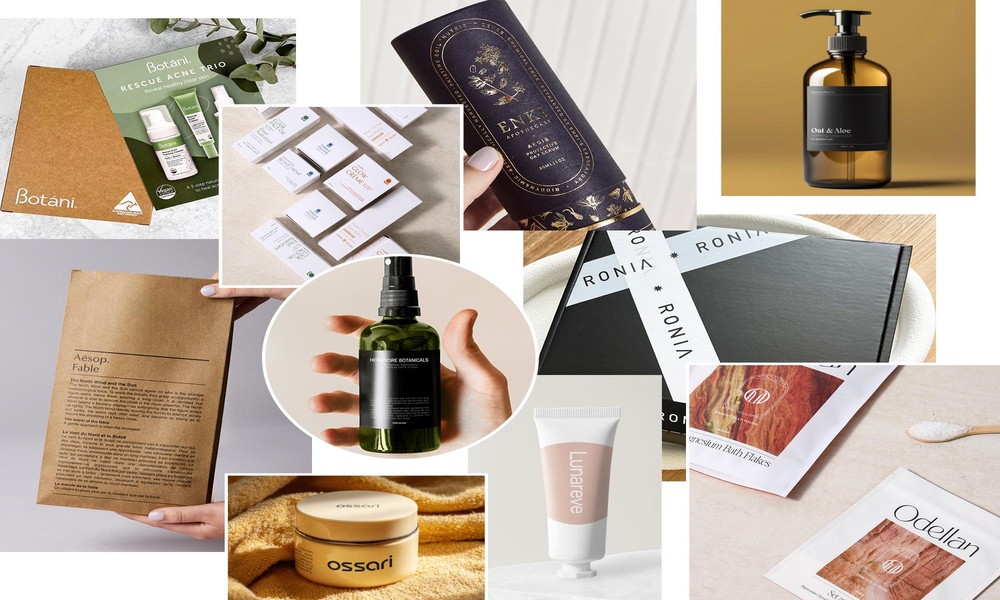
If you are building or refining a product line, you already know that packaging decisions affect how your product is seen, used, and trusted. I look at packaging through a practical lens. It needs to fit your product, reflect your brand, and support how you plan to sell. Early in your process, you should explore options like beauty packaging that are fully customizable rather than limiting yourself to standard formats.
I will walk you through how to think about cosmetic packaging, how to choose the right formats, and why working with a supplier that offers flexibility makes a real difference.
Why Packaging Decisions Matter More Than You Think
Packaging is not just a container. It affects:
- First impressions when someone sees your product
- Ease of use during daily application
- Product protection and shelf life
- Brand consistency across your line
I always tell people to think about packaging as part of the product itself. If the packaging feels cheap or does not match your positioning, it weakens everything else.
Understanding Cosmetic Packaging Options
You have a wide range of formats to choose from. The right choice depends on your product type, texture, and positioning.
Here are the main categories I suggest evaluating:
- Glass jars for creams and balms
- Dropper bottles for serums and oils
- Pump bottles for lotions and liquid products
- Spray bottles for mists
- Tubes for cleansers and travel-friendly items
Each option has a purpose. For example, skincare product packaging for serums often works best with droppers because they control usage and reduce waste. Creams benefit from jars that allow easy access.
The key is matching function with user experience.
How to Approach Skincare Product Packaging
If you are working on skincare, I recommend focusing on three things:
1. Product compatibility
Your packaging must protect the formula. Airtight and leak-proof designs matter. Some ingredients react to light or air, which makes material choice critical.
2. Ease of use
If your customer struggles to dispense the product, it creates friction. Pumps and droppers should match viscosity. Thick creams need wider openings. Lightweight liquids need controlled dispensing.
3. Visual alignment
Your packaging should reflect your brand identity. Minimal, bold, or clinical. The look must match your target market.
This is where many brands make mistakes. They choose packaging based on cost alone and ignore how it affects perception.
The Role of Beauty Packaging Tubes
Beauty packaging tubes are often overlooked, yet they are one of the most practical formats available.
I recommend tubes when you want:
- Portability
- Controlled dispensing
- Lower breakage risk compared to glass
- Clean and hygienic use
They work well for cleansers, sunscreens, and creams that are used daily. Lightweight plastic tubes also reduce shipping costs, which matters as you scale.
Custom tubes also give you strong branding space. Full color printing, matte finishes, and embossing can make a simple format feel premium.
Custom vs Standard Packaging
This is where the biggest difference happens.
Standard packaging forces your product into pre-set shapes and sizes. Custom packaging allows you to design around your product.
I always suggest custom if your goal is to build a brand that stands out.
With custom packaging, you can control:
- Shape and size
- Material selection
- Color matching using Pantone
- Finishes like embossing, foiling, or frosting
- Functional components like pumps or droppers
This level of control helps you create consistency across your product line.
Why Supplier Choice Matters
Choosing the right supplier will affect your entire process. You need someone who can guide you from concept to final delivery without confusion.
The Packaging People stand out because they handle the full process. They start with consultation, move through design and proofing, and manage production and shipping.
They offer:
- Custom printed jars, bottles, pumps, and tubes
- Advanced printing methods including CMYK and Pantone matching
- Premium finishes like gold foiling and electroplating
- Eco-friendly packaging options
- Sampling and proofing before full production
I value their approach because it reduces guesswork. You are not left trying to figure out materials, finishes, or compatibility on your own.
Balancing Design, Cost, and Scale
You need to think ahead. Packaging decisions affect your margins and your ability to scale.
Here is how I approach it:
- Start with your target price point
- Choose packaging that supports that margin
- Consider minimum order quantities
- Plan for future reorders to maintain consistency
Larger orders reduce cost per unit, but you need to balance that with cash flow.
The Packaging People provide guidance here, which helps you avoid ordering too much or choosing the wrong format early.
Sustainability Considerations
More buyers care about sustainability. You should consider:
- Recyclable materials
- Reusable packaging
- Reduced material usage
Eco-friendly packaging is not just a trend. It affects brand perception and purchasing decisions.
They offer sustainable options, which gives you flexibility if this is part of your brand positioning.
Final Thoughts on Packaging Strategy
If you want your product to compete, your packaging must support both function and branding.
Focus on:
- Matching packaging to your product type
- Creating a consistent visual identity
- Choosing formats that improve user experience
- Working with a supplier that offers real customization
I always recommend taking the time to get packaging right early. It saves you from costly changes later and gives your product a stronger position from the start.