
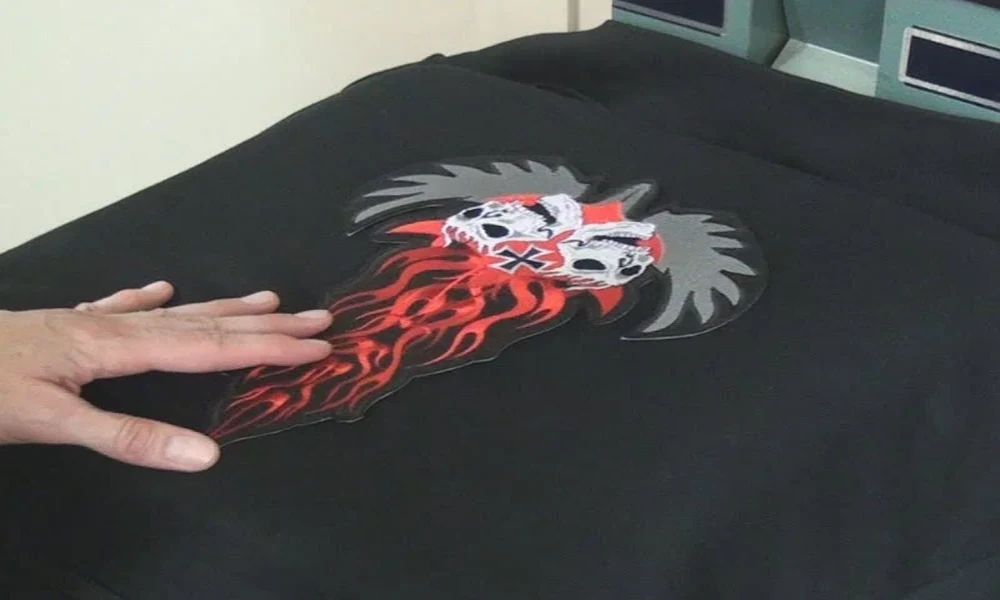
As such, reproducing a complex logo on clothing is difficult. When using direct to film (DTF) printing, there are few limitations as to the type of design you can create and apply to your garments. With the ability to produce full color designs on a variety of fabrics, DTF printing provides an affordable alternative for businesses in Melbourne.
Why DTF Works for Complex Designs
DTF printing transfers art onto fabrics via a heat-activated adhesive powder applied to a specialised film. The process allows for the creation of gradients and small details, as well as many colours on one print job, without having to create individual screens for every colour used in the design.
Businesses who wish to utilise direct to film printing in Melbourne may do so to create staff uniforms, promotional shirts, merchandise for events, and other forms of branded clothing. DTF printing is particularly useful when the design requires a level of detail that cannot be achieved with a single colour logo.
DTF vs Screen Printing
Screen printing is an excellent option for large quantities of items that feature simple designs. Screen printed images are long-lasting and have a very vibrant appearance. However, screen printing requires significant preparation time, particularly if you’re using multiple colours in your design.
DTF works well when there are a few items to print on or if your design has lots of different colours. It’s also great because you don’t need to create more than one screen to get all of those different coloured images onto your products.
DTF vs Vinyl
Vinyl printing is used to produce designs by cutting shapes from coloured film then applying those shapes onto a material such as fabric. This process works well for adding names, numbers and simple graphics; however, it is much more difficult to use to produce photographic images or complex designs with many colours.
DTF allows you to transfer your entire design at once. For this reason, it is an excellent choice for transferring logos with fine lines, shadows, or colour blending.
Fabric Flexibility and Heat Transfer
DTF is a common choice for use with cotton, polyester and blended fabrics; however, how well it works depends on the garment being used and the transfer settings. In addition, the surface of the garment needs to be able to withstand the temperature of the heat application process. It is recommended that suppliers verify the materials they are supplying prior to their use in this type of process.
As a type of heat transfer printing, DTF utilises controlled amounts of pressure and heat to allow for bonding of the design with the fabric. The use of proper care instructions will aid in protecting the print from damage during washing.
Choosing the Right Method for Your Brand
- How many garments you need
- The number of colours and level of detail
- The fabric type and garment colour
- Your budget and production timeline
The professional direct to film printing Melbourne, will evaluate the design of your artwork, as well as suggest appropriate materials. Embroidery Melbourne can also help you compare garment decoration options.
If you are looking for detailed logos and the ability to order as much (or as little) as you want, then DTF will provide you with the most balanced combination of colour, detail and flexibility. If your design is simple and/or you plan on ordering a lot of units, then Screen Printing or Vinyl may still be the best choice. To see what the finished product will look like prior to ordering in bulk, a sample can be helpful.