
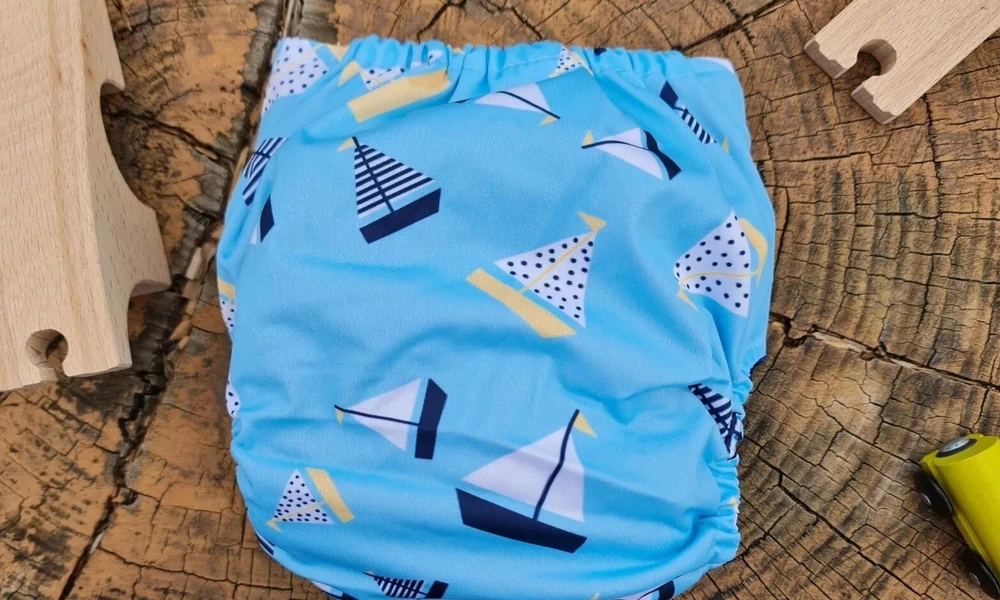
You already understand the basics of sustainable parenting. What you want is gear that earns its place in your daily routine. I focus on straightforward solutions that save time, reduce waste, and hold up to real family life. If you want one swap that makes a meaningful impact and still fits a busy day, start with reusable nappies. This guide breaks down why cloth nappies work, how to set them up, and which features matter for comfort, leaks, cost, and washing.
I draw on years of helping families build practical systems. I avoid anything that only looks good on a shelf. Everything here is chosen because it will get used every day without extra effort.
Here is what you will get: what to look for in modern cloth nappies, a clear wash routine, a right-sized starter setup, and a short list of other eco products that see daily action. You will finish with a plan you can start this week.
Why Cloth Nappies Are the Daily Eco Swap That Sticks
Disposable nappies create mountains of waste and ongoing cost. Modern cloth nappies cut both without adding complexity when you pick the right style and routine.
- They handle everyday wear with the same reliability you expect.
- They reduce skin contact with moisture when lined well.
- They adjust as your baby grows, which means fewer purchases.
- They dry fast in Australian conditions, especially on breezy days.
For families across Australia, cloth nappies are the one eco-friendly product that gets used from morning to night, week after week. With the right setup, you will not have to think twice.
What to Look For in Modern Cloth Nappies
Focus on features that affect comfort, fit, and washing. I suggest you look for:
- Soft inner lining that pulls moisture away from skin
- A waterproof outer layer for reliable leak protection
- Adjustable snaps for a secure fit from 3.5 kg to 15 kg
- Pocket cloth nappy design with space for inserts
- Absorbent inserts you can layer for naps and overnight
- Gentle elastics at the legs and waist to contain mess
- Lightweight materials that wash and dry quickly
Bamboo cloth nappies with a bamboo charcoal lining check all these boxes. They balance softness, breathability, and absorbency without bulk. Pocket cloth nappies also give you full control of absorbency by swapping or stacking inserts.
Why I Recommend Waladi for Cloth Nappies in Australia
If you are comparing options for cloth nappies in Australia, Waladi is worth a close look. They design modern cloth nappies built around daily use, not novelty. Here is what stands out:
- Bamboo charcoal lining that is soft, breathable, and helps draw moisture away from skin
- A waterproof outer that holds leaks without feeling stiff
- One-size-fits-most sizing with adjustable snaps, covering about 3.5 kg to 15 kg
- Pocket cloth nappies that let you add inserts for daycare, long outings, naps, or nights
- Multiple insert options, including setups for heavy wetters
- Lightweight materials that wash easily and dry fast in the sun
- A wide range of prints that make it easy to sort nappies at a glance
- Newborn and overnight solutions that extend the system from day one through toilet training
They also support parents with guides and clear washing advice, which helps you keep a steady routine. If you want reusable cloth nappies that fit real family life, their range aligns with what I recommend.
A Simple Setup That Works Day and Night
You do not need a giant stash to begin. Start small, refine your routine, then add as needed.
- For full-time use: 18 to 24 baby cloth nappies with inserts
- For part-time or daycare backup: 8 to 12
- For newborn stage: 24 to 30 changes, since early changes come fast
For daytime, use one insert in a pocket cloth nappy. For longer naps or car trips, use two inserts or one thicker insert.
For overnight, try:
- A pocket cloth nappy with two to three inserts
- Make sure elastics seal at the legs without leaving marks
- Check that the front panel sits flat for tummy sleepers
If leaks appear, it usually means you need more absorbency, not a different nappy.
A Washing Routine You Can Keep
Keep it simple and consistent. This method fits Australian water and weather patterns.
1. Knock solids into the toilet if needed.
2. Store used nappies in a ventilated wet bag or open pail.
3. Do a short cold pre-rinse within 1 to 2 days.
4. Run a warm main wash with a reliable detergent. Do not overload.
5. Line dry in the shade or sun. Sun helps freshen and speed up drying.
6. Low heat tumble is fine if needed, but inserts only dry faster and last longer on the line.
Avoid heavy fabric softeners. They can reduce absorbency.
Other Eco Baby Products That Truly Get Used Daily
These items work well alongside modern cloth nappies and see daily use.
- Reusable wipes: Simple flannel or bamboo wipes wet with water clean better than disposables.
- Wet bags: One for outings, one for daycare, one for home. They contain smells and moisture.
- Reusable nappy liners: Optional, but useful once solids start for easier cleanup.
- Training pants: Handy for toilet training and short trips.
- Change mat: A wipeable or washable mat that folds small.
All of these items support the same routine and save you money over time.
Common Roadblocks and How to Fix Them
You will move faster if you know the quick fixes.
- Leaks: Increase absorbency, check leg elastics, and make sure the nappy sits below the belly button.
- Compression leaks in car seats: Use a more absorbent insert combo and avoid over-tight clothing.
- Ammonia smells: Increase your pre-rinse time, add an extra rinse at the end, and wash every 2 days.
- Daycare concerns: Pack enough pocket cloth nappies pre-stuffed, label everything, and include a wet bag.
- Travel: Use pocket cloth nappies with disposable liners or a set of extra inserts. Wash at night or switch to part-time use for the trip.
Getting Started This Week
- Choose 8 to 12 modern cloth nappies to trial, including a few bamboo cloth nappies with pocket designs.
- Add a mix of inserts for daytime and night.
- Set a two-day wash schedule on your calendar.
- Pack two wet bags and a small stack of reusable wipes.
- Trial one overnight setup for three nights, then adjust inserts if needed.
Final Thoughts
Cloth nappies are the daily eco upgrade that pays off fast. With modern designs, adjustable snaps, and pocket flexibility, they fit easily into Australian family life. Waladi offers a strong mix of comfort, sizing, absorbency, and clear guidance, which makes them a smart pick if you want reusable cloth nappies that work from newborn days through toilet training.
Start small, keep a simple wash routine, and let the system grow with your child. You will reduce waste, save money, and keep daily care straightforward.